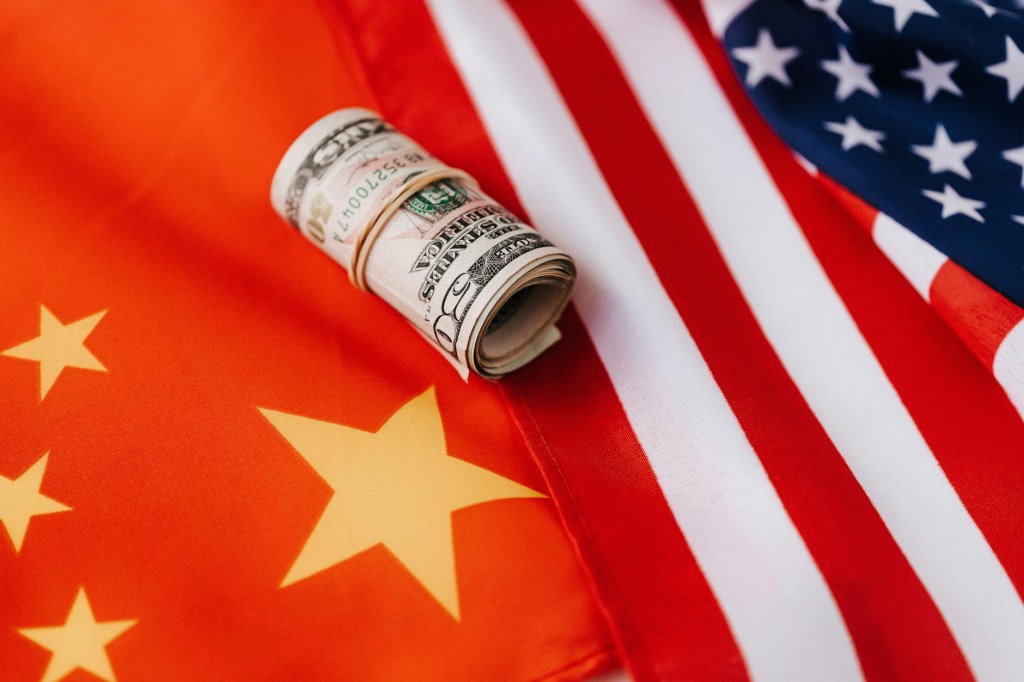
Since the U.S.-China trade war erupted in 2018, tensions between the two nations have steadily escalated, expanding from tariffs on goods to conflicts in technology, human rights, education, and geopolitics. For most Americans, this conflict is reflected in rising consumer prices, stock market fluctuations, or shifts in the job market. But for Chinese Americans, the effects of this trade war are far more complex and deeply personal, leaving subtle yet profound imprints on nearly every aspect of daily life.
Economic Pressures on Two Fronts
The increase in tariffs has directly impacted many Chinese American-owned small and medium-sized businesses, especially in sectors like apparel, electronics, food service, and logistics. Some entrepreneurs have been forced to lay off employees, raise prices, or shut down businesses they’ve run for years. For Chinese Americans who often operate through cross-border family networks, disruptions to cash flow or supply chains between China and the U.S. can destabilize entire family economies.
In addition, changes in policies related to EB-5 investor visas and foreign asset reporting have placed many Chinese Americans at risk of frozen assets, stricter financial scrutiny, and heavier tax burdens. Entrepreneurs and professionals who once envisioned a life freely navigating between the two countries now find themselves trapped in a tightening web of shifting regulations.
The Struggle with Identity and Political Labeling
As U.S.-China relations sour, political rhetoric and national security concerns around “China” have intensified in American society. In this climate, the identity of Chinese Americans has become increasingly complicated. On paper, they are U.S. citizens or permanent residents with equal rights. In practice, they are often viewed through a lens of suspicion due to their appearance or ancestry—labeled as “potential spies” or “disloyal citizens.”
Several Chinese American scientists and engineers have become high-profile victims of unfounded accusations, including Sherry Chen and Anming Hu. Their cases have spread fear and anxiety throughout professional communities, especially in science, technology, and academia, discouraging many from participating in U.S.-China exchanges of any kind.
The Resurgence of Social Bias and Racial Discrimination
The trade war has also contributed to a rise in anti-China sentiment in the U.S., with some politicians and media outlets portraying China as a looming threat. This politicized narrative has inadvertently reinforced negative stereotypes about Chinese Americans. The COVID-19 pandemic further exacerbated the issue, leading to a surge in hate crimes against Asian Americans and making Chinese Americans feel increasingly unsafe and alienated.
“Whose side are you on?” “Do you support China or the U.S.?”—these questions have grown more sensitive within Chinese American communities. Some who were once active in civic life are now withdrawing, fearful of being misunderstood, politicized, or putting their families at risk.
An Invisible Mental Health Crisis
Years of economic strain, identity confusion, and societal bias have taken a toll not just on livelihoods, but also on mental health. Many Chinese immigrants already bear the weight of the “model minority” myth, and the trade war has only intensified that burden—transforming it into anxiety, isolation, and a sense of helplessness.
Parents worry about their children facing discrimination at school. Elders lament that the U.S. and China may never return to friendlier terms. Some younger Chinese Americans struggle with fractured identities, caught between two cultures, grappling with self-doubt and emotional turmoil.

How Can We Respond?
Strengthen community dialogue and solidarity: Build intergenerational, cross-cultural communication networks where Chinese Americans from diverse backgrounds can share stories and support one another.
Increase civic participation: Register to vote, attend public hearings, and write to elected officials—claim your political voice and shape your own narrative.
Defend legal rights: Seek legal assistance if you experience discrimination or injustice; know that your rights are worth protecting.
Prioritize mental health: Access culturally and linguistically appropriate counseling resources, especially Mandarin-speaking mental health services.
Forge interethnic coalitions: Partner with other Asian and minority communities to collectively confront systemic racism and societal inequities.
Questions Worth Reflecting On:
When international tensions rise, does ethnic identity become an unfair burden?
How can we honor our cultural roots while embracing our American citizenship?
In the face of shifting policies and public sentiment, do we remain silent or speak up?
Are we prepared, as Chinese Americans, to unite, build our own media, and reclaim our voice?
How can we help the next generation grow up with a healthy, balanced dual identity between China and the U.S.?
(By One Voice)
Discover more from 华人语界|Chinese Voices
Subscribe to get the latest posts sent to your email.
