Recently, major U.S. media outlets reported a troubling trend: since 2020, in all 30 states that allow party-affiliated voter registration, Democrats have experienced net losses while Republicans have generally gained. Over four years, the Democratic Party may have lost as many as two million registered voters.
At first glance, this might sound like just another episode in America’s partisan tug-of-war. Yet in reality, voter registration trends directly shape policies on immigration, education, healthcare, and public safety—issues that touch the everyday lives of every Chinese family in the United States.
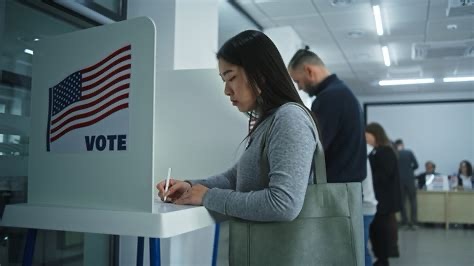
Why Should Chinese Americans Care?
In many areas—especially California, New York, New Jersey, and Nevada—the proportion of Asian American voters is rising rapidly. For example:
• In the San Francisco Bay Area, decisions about school funding and curriculum are closely tied to local elections.
• In Las Vegas, casino and hotel unions have long been Democratic strongholds, and these industries now employ a growing number of Chinese workers.
• In Flushing, Queens, the registration and turnout of Chinese American voters often determine whether local politicians take the community’s concerns seriously.
In other words, if we fail to register and vote, our voices risk being ignored. If we participate actively, candidates will have no choice but to listen.
The Story Behind the Decline
The decline in Democratic registration stems partly from an overreliance on outsourcing to nonprofits—an unstable model that has led to inconsistent outreach. Just as important, the party’s rhetoric often rests on lofty slogans like “defending democracy,” while rarely addressing the everyday concerns of working families:
• Will healthcare premiums rise again?
• Can rents and housing prices be kept under control?
• Will student loans and access to education improve?
For many Chinese American households, these are the questions that matter most.
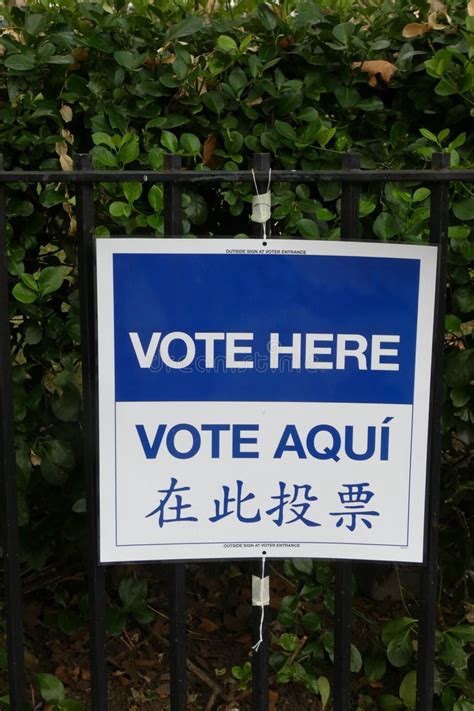
Language and the Ballot: A Crucial Step Toward Visibility
Beyond policy, language itself remains a barrier to participation.
In Las Vegas and other areas with sizable Asian American populations, whether Chinese appears on the ballot often depends on how actively the community registers and votes. Under Section 203 of the Voting Rights Act, governments are required to provide translated ballots and voting materials only if a language minority group reaches a certain population threshold.
This means: if Chinese voter registration and turnout fall short, the community may lose the right to Chinese-language ballots. For many elders with limited English, that amounts to being effectively excluded from political participation.
👉 That is why, when registering to vote, Chinese Americans should explicitly indicate their preference for Chinese-language materials. Doing so not only helps government agencies track demand but also protects the community’s linguistic rights.
Where Young People’s Attention Goes
For many new immigrants and second-generation Chinese Americans, registering and voting in the U.S. is a first-time experience. But the way younger generations consume information is entirely different from their parents.
During Georgia’s 2020 Senate runoffs, Democrats turned to TikTok and Instagram, creating short videos that explained early voting procedures to young Black voters—significantly boosting turnout. Similar tactics could be effective in Asian American communities as well. Short bilingual videos in Chinese and English explaining “how to register” or “where to vote” could bring far more young Chinese Americans into the polling booth.
How the Community Has Responded
We have already seen promising examples:
• Los Angeles: During the 2020 election, Chinese community groups set up voter registration tables at Mid-Autumn Festival celebrations, handing out forms alongside mooncakes and turning political participation into a community gathering.
• New York: Parents frequently reminded each other in WeChat or LINE groups about upcoming votes on school funding, helping families avoid missing key dates.
These seemingly small actions have steadily increased the political visibility of the Chinese community.
Crisis or Opportunity?
Nationwide declines in Democratic registration may signal a crisis for the party. But for Chinese Americans, this moment could present an opportunity:
• If we engage, we can leverage intensified partisan competition to secure greater attention and resources.
• If we remain absent, others will make decisions for us—and it is our children, families, and businesses that will bear the consequences.
Voter registration is more than a statistic. It determines whether we are visible or invisible. For the Chinese American community, it represents a crossroads: silence or voice.
By One APIA Nevada
Discover more from 华人语界|Chinese Voices
Subscribe to get the latest posts sent to your email.
