In just four years, three major federal laws have dramatically reshaped Nevada’s employment landscape. First came a surge of infrastructure jobs from building roads and bridges, followed by a boom in clean energy employment fueled by record investments. Now, the newest “One Big Beautiful Bill” has pulled back subsidies, hitting the brakes on growth. Nevada stands at a crossroads—facing the risk of job losses, while holding unique opportunities in lithium mining and battery manufacturing.
Infrastructure Investments: Jobs on the Ground
Passed in 2021, the Infrastructure Investment and Jobs Act (IIJA) was a $1.2 trillion plan—the largest infrastructure investment in U.S. history. Nevada’s share included $2.7 billion for highways and bridges, $460 million for public transit, and $38 million to expand electric vehicle (EV) charging stations (later stalled due to a nationwide pause).
This funding translated into tangible work: road crews, bridge builders, electricians installing EV chargers. These are classic infrastructure jobs—visible, local, and immediate. For a geographically vast state with aging infrastructure like Nevada, such jobs not only created thousands of positions but also strengthened the foundation for long-term economic growth.
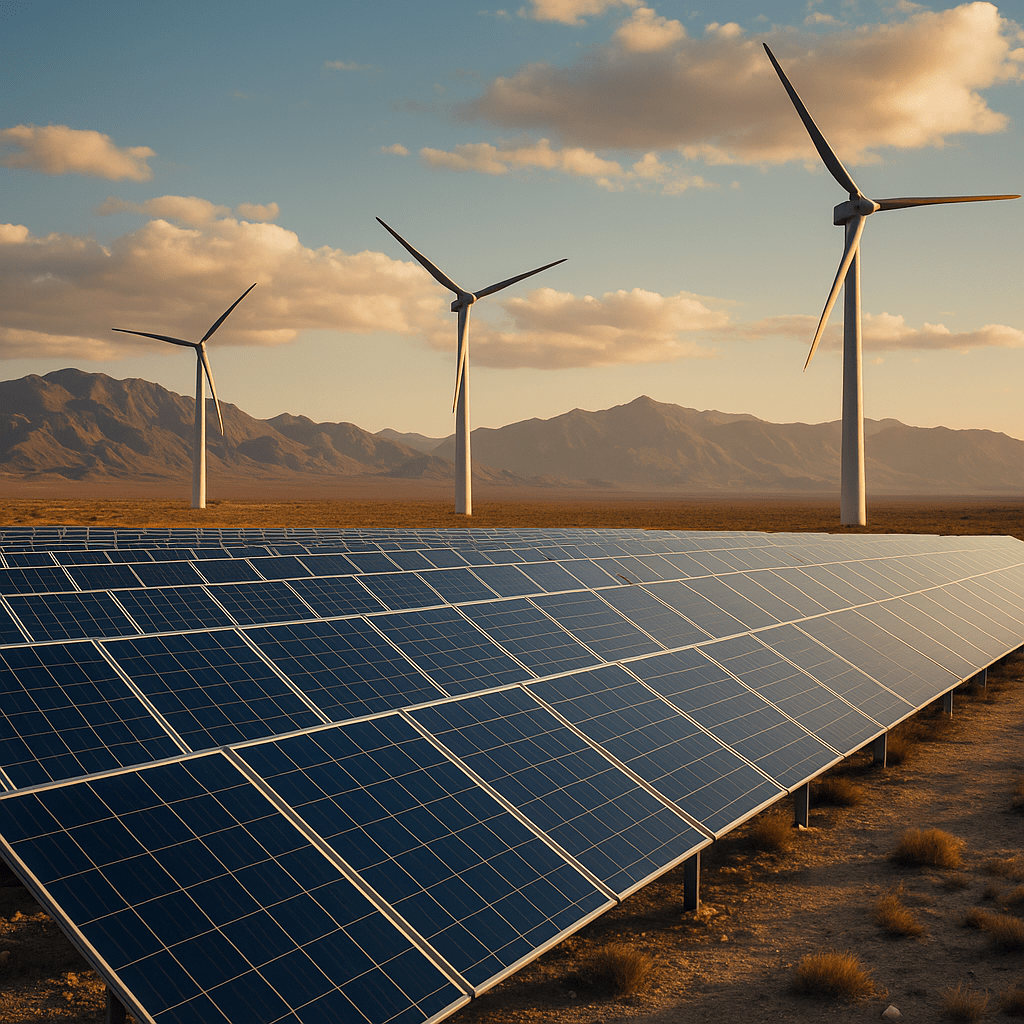
Clean Energy Investments: The Boom in Green Jobs
The 2022 Inflation Reduction Act (IRA) marked the largest climate and clean energy investment in U.S. history, with nearly $370 billion directed toward renewables, EVs, and energy storage.
For Nevada, the impact was swift. Since the law’s passage, the state has announced 20 new clean energy projects, attracted more than $15.5 billion in investments, and created over 21,700 jobs. These positions span battery manufacturing, solar energy, energy storage, and grid upgrades.
These are clean energy jobs—and crucially, they are high-quality jobs. To qualify for full federal subsidies, companies must pay prevailing (union-level) wages and hire apprentices. That means young workers can learn on the job while earning, and blue-collar workers can support families on stable, union-aligned paychecks. In short, the IRA is helping push Nevada from a “casino economy” toward a clean energy economy.
The One Big Beautiful Bill: A Brake on Clean Energy Jobs—With a Twist
Yet in 2025, the “One Big Beautiful Bill” (OBBBA) put the brakes on Nevada’s clean energy momentum. It shortened subsidy timelines and imposed stricter requirements.
The most striking change: the 30% federal tax credit for residential rooftop solar will end in December 2025. From 2026 onward, households installing solar panels will no longer receive federal support. That’s triggered a short-term installation boom—electricians and installers are scrambling to meet demand—but job numbers will likely plummet starting next year.
For utility-scale renewable projects, the new law requires projects to begin true construction by July 2026 and be in service by the end of 2027 to qualify for subsidies. That’s a high bar. Many wind and solar farms now face cancellation or downsizing. Analysts forecast Nevada could lose 6,200 clean energy jobs by 2030 and 8,300 by 2035 compared to projections under the IRA.
But it’s not all bad news. By tightening restrictions on foreign supply chains, OBBBA has actually strengthened Nevada’s role in the clean energy transition. Nevada is home to the only operating commercial lithium mine in the U.S.—the Silver Peak mine in Esmeralda County—and the Thacker Pass project, the largest known lithium deposit in the nation. Together, these assets give Nevada a unique position in the EV battery supply chain. New investments in mining, battery production, and recycling could bring not only mining jobs but also high-skilled positions in chemical processing, engineering, and equipment maintenance.
In addition, small-scale commercial rooftop and community solar projects remain eligible for subsidies—if under 1.5 megawatts and built before 2027. These projects create local, non-outsourcable jobs in installation and maintenance.
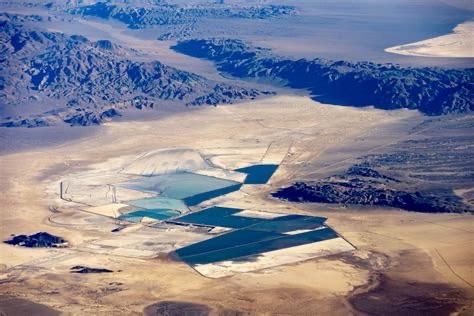
This is an aerial photograph of the Silver Peak lithium mine, showcasing Nevada’s only commercially operating lithium facility. The clear, multicolored evaporation ponds reflect varying concentrations of lithium brine, an essential stage in the lithium extraction process.
Conclusion: Two Paths of Employment
Taken together, the three federal laws reveal two distinct job trajectories for Nevada:
• Infrastructure jobs: Brought by IIJA, they created steady, tangible work in construction and maintenance.
• Clean energy jobs: Sparked by the IRA’s historic investment, they grew rapidly but now face uncertainty under OBBBA’s tightened rules.
If infrastructure jobs are Nevada’s solid foundation, clean energy jobs are its rising curve—now slowed, but still full of potential. Whether Nevada can seize its lithium, battery, and distributed solar opportunities will determine the state’s place in America’s clean energy future.
By Nevada Chinese Perspective
Discover more from 华人语界|Chinese Voices
Subscribe to get the latest posts sent to your email.
