While watching Valor and Memory, I was moved to tears more than once. The film takes us back to World War II, a time when China and the United States fought side by side. Through archival footage and heartfelt interviews, it reminds us of a rare era of mutual trust.
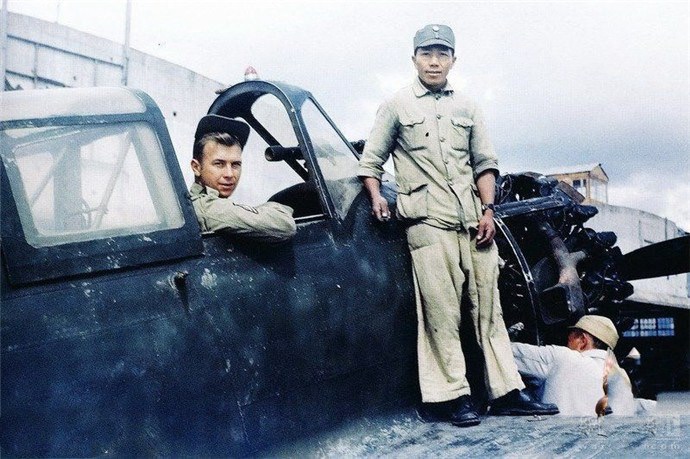
Valor and Memory, which premiered in 2024, was directed and produced by three-time Emmy Award winner Bill Einreinhofer. The film was co-produced by Min Zhou, a veteran journalist and Chinese American historian known for her longstanding work on Chinese diaspora history. Through rare archival footage and powerful firsthand testimonies, the film vividly brings to life the history of China and the United States fighting side by side during World War II—highlighting the heroic story of the Flying Tigers, the volunteer group led by General Chennault, and the Chinese American pilots who stood with them.
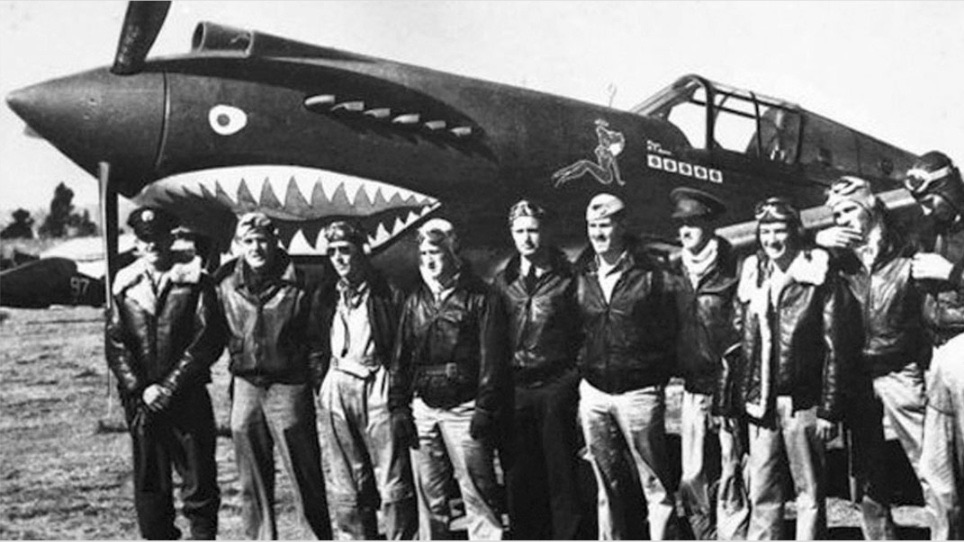
On May 17, 2025, I attended a special screening and discussion of the film at the University of Nevada, Las Vegas (UNLV), co-hosted by the Nevada Chinese Association and the Tsinghua Alumni Association. The event not only commemorated the deep bonds forged during the war, but also encouraged reflection on today’s U.S.-China relations.
What struck me most was the fact that many American pilots died defending Chinese skies, their graves still standing quietly on Chinese soil. At the same time, outstanding young Chinese who came to the United States to study aviation also now rest eternally on American soil, becoming a part of American history.
And yet, this shared history feels distant today. As the film was being made, U.S. and Chinese warships and aircraft were locked in tense standoffs in the South China Sea. With growing hostility in the media and political rhetoric, one can’t help but ask: How did we go from allies to adversaries?
The answer is complex—geopolitical rivalry, ideological divergence, technological competition, and rising nationalism have all deepened the rift. The shared history has been buried under layers of mistrust and confrontation.
Yet as Chinese Americans, we cannot afford to be mere bystanders. We are witnesses to both cultures—and potentially a bridge between them. In today’s tense climate, we face pressure from the outside world and uncertainty about our identity from within.
So what can we do? I believe there are at least three things we can focus on:
1. Tell the stories, preserve the memory
Like what Valor and Memory has done, we need to share the history of our joint struggle—especially with younger generations. Let American society know this is not “their” history, but “ours,” proof that the U.S. and China once could cooperate and trust each other.
2. Engage in civic life, speak out
Whether it’s voting, joining community organizations, or advocating for policies, we must be part of public life. Only then can our voices be heard and our identities not be misrepresented.
3. Build personal-level understanding and connections
In divided times, real change often comes not from top-down diplomacy but from daily interactions. We can build trust in our neighborhoods, schools, and workplaces—and repair the cracks with consistent effort.
History is not just about the past—it shapes our present. Valor and Memory is more than a war documentary; it’s a timely reminder to today’s world: We’ve walked together through light and shadow. And if we remember how we became friends once, perhaps the future doesn’t have to be so cold, so hostile.
(By One Voice)
[Further Reading]
Flying Tigers Memorial Sites Tour: Cross-Pacific Historical Memory: Flying Tigers Memorial Sites Tour: Cross-Pacific Historical Memory
From War Flames to Soaring Heights: The Legacy from Flying Tigers to FedEx
Discover more from 华人语界|Chinese Voices
Subscribe to get the latest posts sent to your email.

2 thoughts on “Reflections on Valor and Memory: As China and the U.S. Move from Allies to Adversaries, What Can We Do Now?”