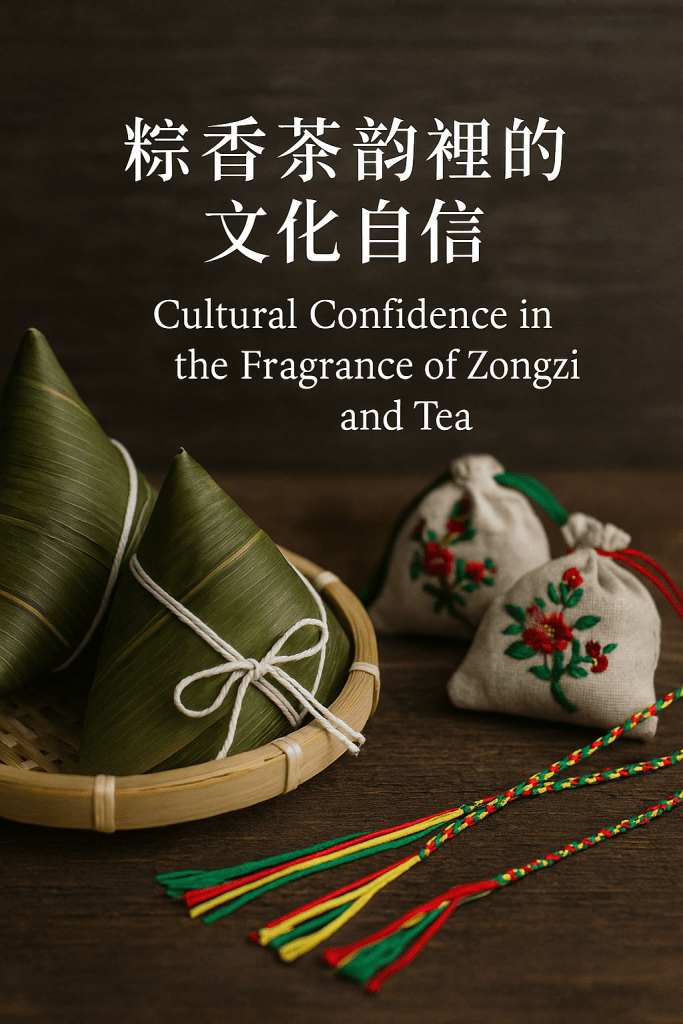
On a sunny afternoon in Las Vegas, the air was filled with a familiar aroma—the scent of bamboo leaves and glutinous rice, evoking the memories and sense of belonging tied to the Dragon Boat Festival. On May 31, I had the pleasure of attending the “Fragrance of Zongzi and Tea – Celebrating the Dragon Boat Festival” event hosted by One APIA Nevada, a grassroots nonprofit. The gathering featured not only steaming zongzi for tasting, but also hands-on workshops where volunteers warmly taught attendees how to wrap zongzi, weave five-colored threads, and make fragrant sachets—traditional crafts steeped in cultural meaning. A lively trivia session further enriched the experience by introducing folk customs and historical knowledge about the holiday. Nearly a hundred Chinese community members of all ages joined in the celebration, from elders as old as 88 to infants cradled in their parents’ arms. The atmosphere was joyous and heartwarming, like a reunion in one’s hometown.
In today’s American society, such a cultural gathering is more than just a festive celebration—it is a quiet yet powerful act of cultural preservation and expression.
In recent years, growing tension in U.S.–China relations has placed Chinese Americans in an increasingly delicate position. Economic uncertainty, social labeling, and geopolitical friction often translate into unique pressures for Chinese communities in the U.S. Against this backdrop, cultural identity should not be something we shy away from—it should be a source of pride, unity, and inner strength.
Chinese culture has never been distant or elitist. It lives in our everyday lives—in a sachet passed down through generations, a home-cooked dish, a festival rhyme, or a protective five-colored bracelet. Its enduring charm lies not only in its history, but in its timeless ability to move and connect people across cultures and generations.
Much like how Chinese cuisine has made its way onto the global stage—from street-side dumplings and kung pao chicken to Michelin-starred fusion dining—our cultural traditions too can flourish and resonate around the world. The question is: are we ready to creatively and confidently bring these traditions into modern and multicultural contexts? Are we willing to open the door for others to understand, experience, and embrace them?
This Dragon Boat Festival event offers a compelling example. Through an experience that is “tasty, hands-on, visual, and educational,” the event invited participants into the heart of the culture. Sachets can become DIY fragrance kits; five-colored cords can inspire protective talisman workshops; zongzi wrapping can be featured in viral TikTok videos. These activities are not just traditions—they are bridges for intercultural exchange. In learning, we build understanding; in interaction, we nurture appreciation; and through appreciation, we plant the seeds of cultural diffusion.
Culture does not spread through force but through attraction—not by persuasion, but by connection. When others begin to wear the five-colored bracelets, share the stories of Qu Yuan, or celebrate our festivals alongside us, Chinese culture becomes not only ours but a shared treasure of humanity.
The “Fragrance of Zongzi and Tea” celebration is more than an event—it is a seed of cultural confidence, quietly taking root in the desert city of Las Vegas. May this seed grow within every Chinese heart abroad. And may each of us become a bearer of light, carrying the flame of heritage across borders and generations, nurturing warmth and dignity wherever we are.
— Written by: May
June 1, 2025, the day after the Dragon Boat Festival
Discover more from 华人语界|Chinese Voices
Subscribe to get the latest posts sent to your email.
