By One Voice
As I watched “Big Fight in Little Chinatown”, one image stayed with me: a street slowly waking up in the morning sun, paper lanterns swaying gently, elderly neighbors greeting each other in front of their shops. It’s a scene that may feel familiar—or far away—but either way, one that should never quietly vanish.
This documentary doesn’t tell a thrilling, dramatic story. Its tone is slow, restrained, even mundane. But precisely through this everyday lens, it reveals a powerful struggle—not against change itself, but against change that arrives without dialogue, without regard for the lives already in place.
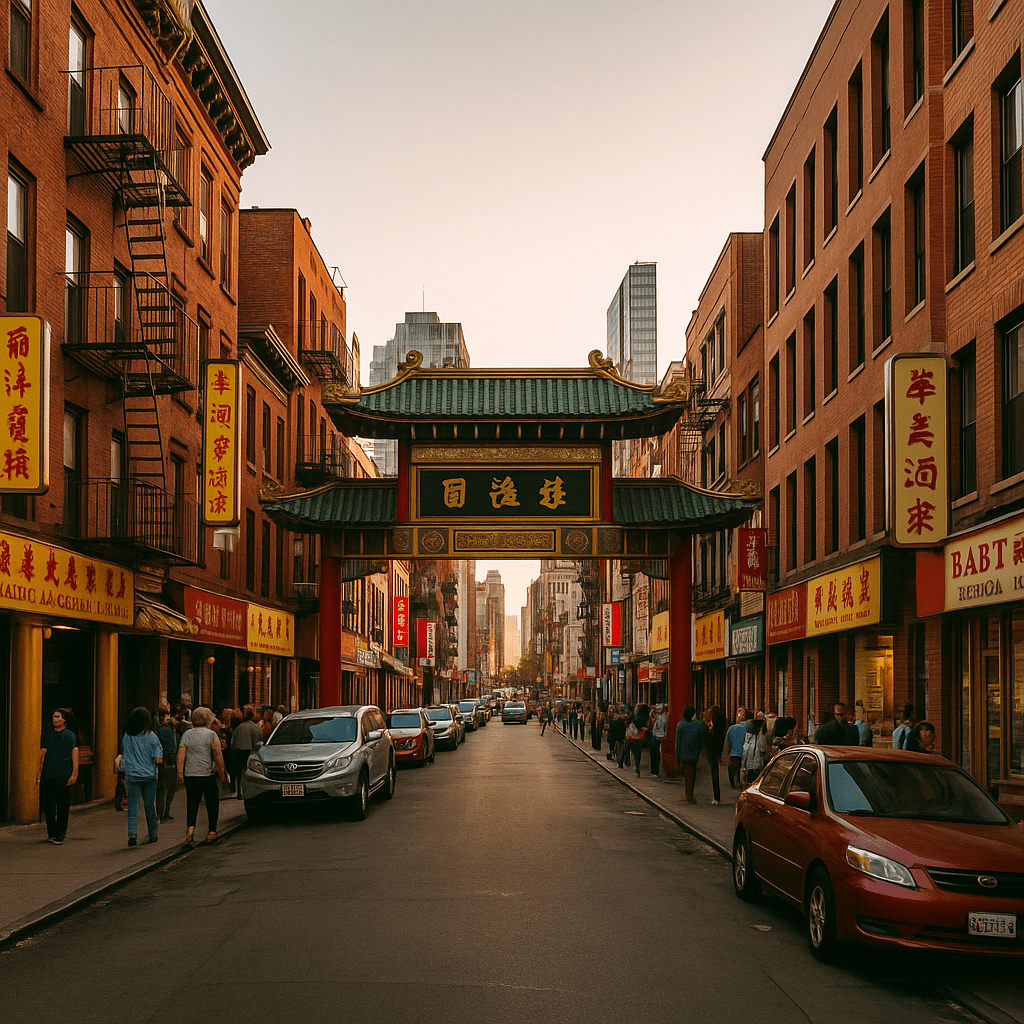
It’s a film about Chinatown, but not only about Chinatown.
It’s about all those pushed aside, displaced, or forgotten in the name of “progress.” It’s about how communities of color evolve from being “planned for” to becoming planners of their own destiny. It’s about culture—not just as celebration, tradition, or décor—but as continuity, emotional inheritance, and a deep sense of belonging.
What moved me most is that this film does not reduce “resistance” to slogans, nor does it demonize “development.” It presents a complex reality: in New York, the fight against a jail wasn’t a rejection of modernity—it was a defense of collective memory under siege. In Vancouver, Montreal, and San Francisco, the battle against luxury towers wasn’t emotional defiance, but strategic organizing. Communities were not reacting in rage—they were building language, capacity, and agency.
None of the interviewees were “main characters”—yet all of them were. Because the soul of Chinatown has never resided in a single building, but in the people who live, love, and resist within it.
So what did this film offer me?
It held up a mirror—not just to Chinatown’s fragility, but to the direction our cities are heading, and whether we still have the strength and clarity to shape our place in it.
Chinatown should not be a tomb of memory, nor a museum of nostalgia. It is history, yes—but also presence. It is scar tissue, yes—but also resilience. After watching this film, I’m more convinced than ever: the future of any community is not a finished script—it’s a draft, and we must be part of the writing process.
We all should be.
Discover more from 华人语界|Chinese Voices
Subscribe to get the latest posts sent to your email.
