By One Voice
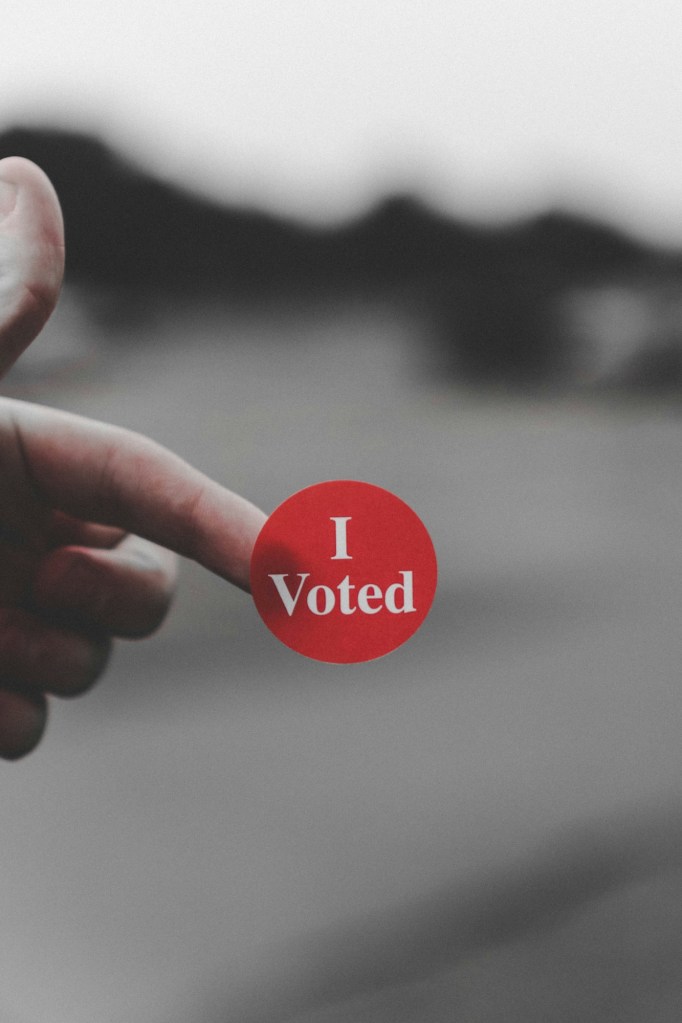
In the summer of 2025, the Democratic Party was confronted with a sobering report on voter registration. According to data from 30 states that allow voters to register by party, Democrats have experienced net losses in every single one since 2020, while Republicans have generally gained. Over the past four years, Democrats may have lost more than two million registered voters. This is not only a numerical decline but also a warning about the party’s ability to sustain grassroots mobilization.
Voter registration itself does not determine the outcome of an election, but it defines who is eligible to cast a ballot. It reflects long-term trends and foreshadows broader shifts in the political landscape.
The Limits of Outsourcing
More than a decade ago, Barack Obama’s 2008 campaign became a benchmark for grassroots voter registration. Volunteers knocked on doors with clipboards, and data teams tracked voter behavior in real time. That effort brought 15 million new voters into the political process, most of whom leaned Democratic.
In recent years, however, Democrats have increasingly outsourced registration work to nonprofit organizations. While cost-effective, this model has proven unstable. In Arizona, for example, several groups responsible for voter registration shut down in 2022 due to funding shortages, leading to sharp declines in participation among young and Latino voters. Meanwhile, the Republican National Committee (RNC) has established “permanent offices” in states like Florida and North Carolina, integrating voter registration with community services and maintaining a long-term presence.
The structural contrast has translated directly into differences in mobilization capacity.
Narrative and Everyday Life
Democratic rhetoric often emphasizes “saving democracy” or “defending values.” While such language resonates with segments of the educated class, it often fails to engage voters struggling with rent, student debt, or medical bills.
The 2022 elections in Minnesota highlighted an alternative path. Democratic candidates focused on tangible policies—housing subsidies, education investment, and middle-class tax relief—and won significant support among blue-collar and suburban families. In contrast, neighboring Iowa saw Democratic candidates continue with abstract appeals to democratic institutions, only to suffer repeated losses at the ballot box.
The lesson: value-based narratives are not ineffective, but they must be grounded in the lived realities of voters.
Capturing Youth Attention: From Television to TikTok
Young voters represent the most dynamic part of the electorate, but their media habits diverge sharply from older generations.
During Georgia’s 2020 Senate runoffs, Democratic organizers discovered that many young Black voters were unaware of early voting procedures. Rather than relying on traditional advertising, they turned to TikTok, releasing short, targeted videos explaining when and where to vote. The strategy helped drive record turnout among Black youth and contributed to Georgia’s pivotal “blue flip.”
In 2025, the newly founded American Dream Institute announced a $30 million initiative to embed political messaging within popular culture, working with NBA coach Steve Kerr, musicians, and online influencers. Whether the project succeeds remains to be seen, but the direction is clear: without digital outreach, Democrats risk losing the political identity of an entire generation.
Community and Coalitions: From Unions to Immigrant Families
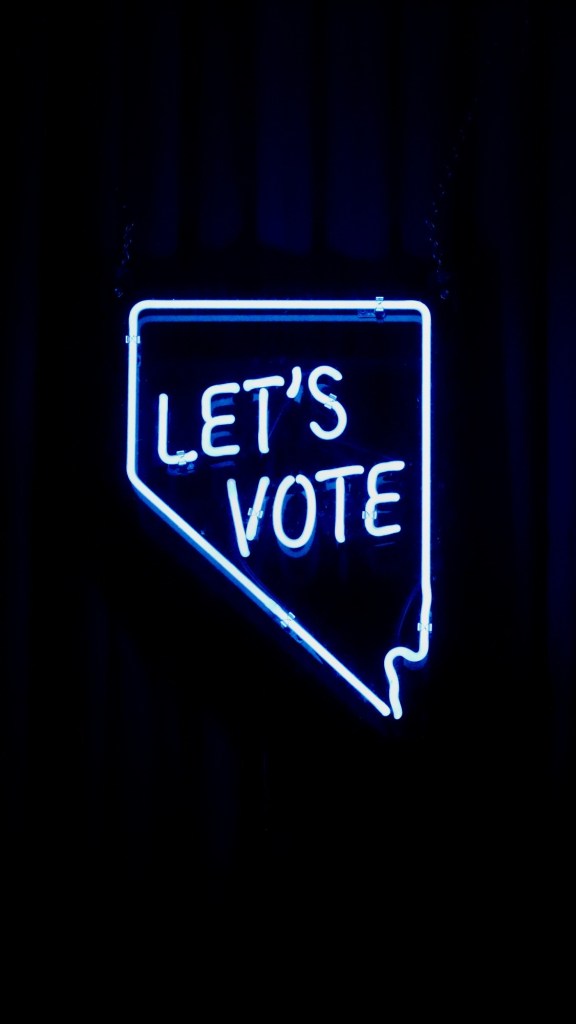
In Nevada, casino and hotel unions have long been a cornerstone of Democratic support. In 2016, their door-to-door mobilization was crucial to Hillary Clinton’s narrow victory in the state. Unions provide more than votes—they foster a collective identity: “As a union member, my ballot is tied to my community.”
New immigrant communities are emerging as another arena. In California and New York, Democrats have raised registration rates through bilingual events and cultural festivals. In Los Angeles in 2020, a Chinese-American voter registration drive served dumplings and mooncakes, turning political participation into a form of cultural celebration.
These cases illustrate that coalition-building is not about aggregating disparate demands, but about identifying shared priorities—wages, education, and security—that can bring different groups to the same table.
Lessons Behind the Crisis
Falling registration does not guarantee Democratic defeat, but it exposes deeper structural weaknesses: fragmented organization, abstract messaging, outdated communication strategies, and incomplete coalition-building.
History shows that party fortunes are never fixed. Obama’s 2008 grassroots surge, Georgia’s digital strategies in 2020, and Nevada’s union-based organizing all point to solutions already within reach. The challenge is whether Democrats can synthesize these lessons into a system suited for the present moment.
The crisis is not an end, but a warning. If Democrats fail to recalibrate their approach to voter registration, messaging, digital outreach, and coalition-building, they risk losing more than a few percentage points—they may lose the trust of an entire generation.
Discover more from 华人语界|Chinese Voices
Subscribe to get the latest posts sent to your email.
