Every year, on the ninth day of the ninth lunar month, the Chinese celebrate the Double Ninth Festival (Chongyang Festival)—a day symbolizing longevity, remembrance, and the continuity of life. For Chinese living in the United States, this day is not only a traditional festival but also a bridge of emotion—a way to stay connected across oceans and generations through acts of respect and remembrance for the elderly.
Origins and Meanings of the Double Ninth Festival
The Tang dynasty poet Wang Wei once wrote in his poem “Remembering My Brothers on the Ninth Day of the Ninth Month”:
“As a lonely stranger in a foreign land,
I miss my kin on every festive day.
I know my brothers are climbing high somewhere,
Wearing cornel leaves—one soul away.”
Through these verses, the Chongyang Festival came to embody one of the deepest expressions of homesickness in Chinese culture.
In fact, the origins of the festival can be traced back more than two thousand years to the Warring States and Han dynasties. People believed that the ninth day of the ninth month was a day of strong “yang” energy—when nature reached a powerful peak. To ward off misfortune, they climbed mountains, drank chrysanthemum wine, and wore dogwood leaves for protection. An ancient text, Xijing Zaji (Miscellaneous Records of the Western Capital), recorded: “On the ninth day of the ninth month, people wear dogwood, eat special cakes, and drink chrysanthemum wine to avoid disasters and prolong life.” This suggests that the festival originally centered on expelling evil and praying for longevity.
The term “Chongyang” (Double Ninth) originates from the Book of Changes (Yijing), where odd numbers are considered “yang.” The number nine, being the greatest of the yang numbers, doubled on this day, symbolizing vigor and lasting fortune. Over time, “Double Nine” (九九) came to represent longevity and enduring affection, gradually linking the festival to the themes of respect for elders and blessings for long life.
During the Wei and Jin dynasties, refined scholars often climbed mountains, drank wine, and composed poems on this day. By the Tang dynasty, the Chongyang Festival had been formally incorporated into imperial court rituals and was widely celebrated among both officials and commoners. Climbing hills, admiring chrysanthemums, and drinking chrysanthemum wine became cherished customs. Poets such as Wang Wei and Du Fu composed numerous works about the festival, enriching it with both poetic sentiment and human warmth.
During the Song, Yuan, Ming, and Qing dynasties, the festival evolved further into a day dedicated to honoring elders. Both the imperial court and ordinary families held Chongyang banquets and longevity feasts for the elderly. Thus, the Double Ninth Festival gradually transformed—from an ancient ritual of warding off evil, to a time for reflection and reunion, and finally into a celebration of life, family, and filial respect—embodying the enduring Confucian values of benevolence (ren) and reverence (jing).
The Double Ninth in a Foreign Land: A Different Kind of “Climbing High”
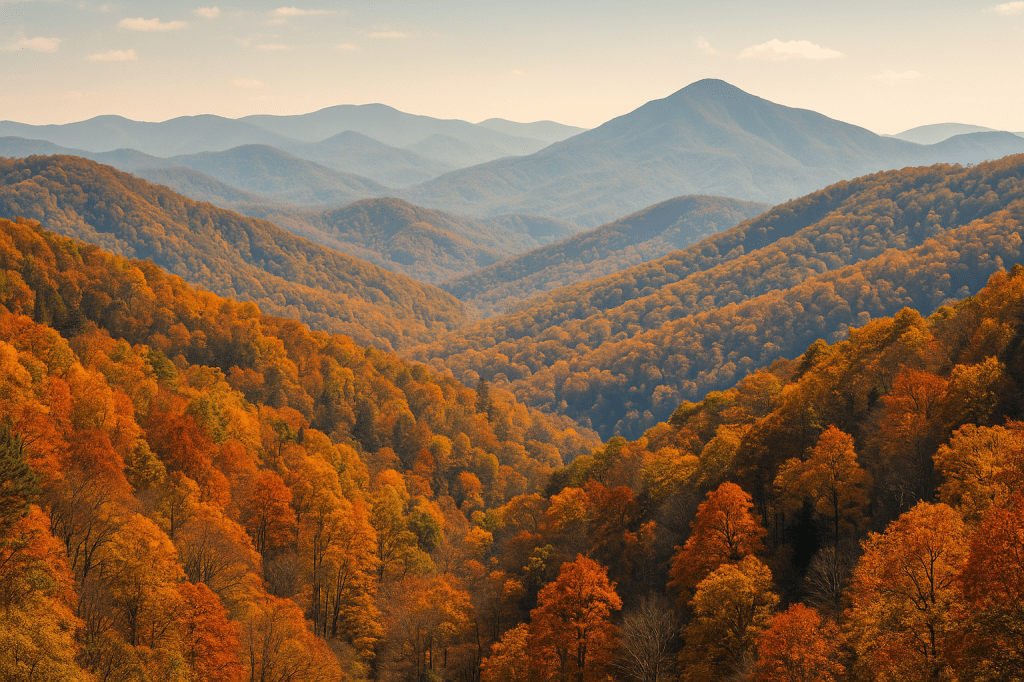
For Chinese in America, the traditional dogwood sachets and chrysanthemum wine may no longer be present, but the spirit of “climbing high” remains. Some choose to go hiking among the autumn hills, finding in nature a quiet space to reflect on home; some make video calls to their parents far away in China; and others volunteer at senior centers, transforming the ancient value of respect for the elderly into modern community action.
Perhaps this is the new meaning of the Double Ninth Festival: not bound by form, but sustained through the heart—a bridge of remembrance that spans both time and culture.
The Continuity and Renewal of Filial Piety
In American society, independence is often seen as a virtue; in Chinese culture, filial piety and respect form the emotional core. Living between these worlds, Chinese immigrants learn to balance both—embracing independence while preserving warmth and care for the elderly.
Every year, around the Double Ninth Festival, many Chinese communities organize celebrations for seniors, health lectures, and visits to elder homes. These acts are not merely traditional rituals—they are affirmations of cultural identity and belonging.
For the younger generation, who may have never worn dogwood or tasted chrysanthemum wine, the festival lives on when they post messages for their parents or say, through a video call: “Happy Double Ninth Festival, Mom and Dad.” In this way, the thread of culture continues—quietly but unbroken.
The Festival’s Contemporary Meaning: Looking Back and Moving Forward
The “double” in Double Ninth is not only a number—it is a reminder: that life’s journey requires both progress and reflection, that growth must never forget its roots.
For Chinese living abroad, the festival serves both as a recollection of cultural memory and a gentle reaffirmation of identity. Standing on a hill in a foreign land, watching autumn leaves cover the slopes, one can feel that familiar mix of longing for home, respect for the elders, and gratitude for life—all becoming clearer in the autumn breeze.
May the Spirit of Respect Endure in the Autumns of Our Exile
The Double Ninth Festival is more than just a day on the calendar; it is a way of remembering one’s beginnings, cherishing family ties, and reflecting on the passage of time. Wherever we may be, may we all find—in the autumn winds of our adopted home—a moment to climb high, look far, and hold in our hearts both home and love.
By Voice in Between
Discover more from 华人语界|Chinese Voices
Subscribe to get the latest posts sent to your email.
