A Proposed Bill Is Quietly Changing the City’s Atmosphere
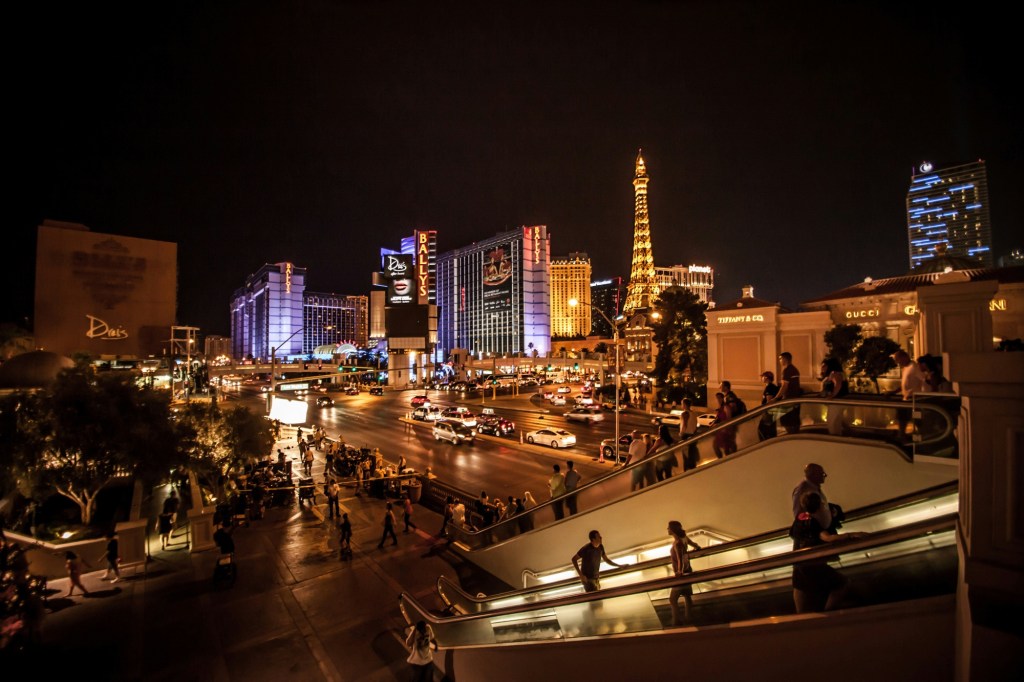
Starting this fall, anyone walking along the Las Vegas Strip may notice something hard to describe but easy to sense. Police cars appear more frequently. Foot patrols move faster. A few corners feel unusually quiet, as if someone has turned down the city’s familiar noise and tension.
No sign says “restricted zone,” yet the message feels clear: Something on the world’s busiest boulevard is tightening.
The change isn’t coming from brighter casino lights or heavier tourist traffic. It’s coming from a bill still being debated inside the state legislature.
During Nevada’s special legislative session, lawmakers are considering a public safety proposal. It wouldn’t close streets or block ordinary people from entering. Instead, it would give law enforcement a new tool:
If someone repeatedly causes disturbances on or near the Strip, the court could ban them from the area. And if they violate that order, the penalties would be harsher than anywhere else in the city.
In other words, if the bill passes, the Strip could effectively become a “higher-consequence zone.” The city won’t call it that. But the underlying message is unmistakable: “Nothing can be allowed to go wrong here.”
The bill hasn’t even become law yet, but the debate surrounding it has already spread throughout Las Vegas. Supporters argue the Strip no longer feels as safe as it once did; opponents fear this will usher in an era of over-policing.
Both sides have reasons worth listening to.
Safety Anxiety Has Become More Real Than the Numbers
Over the past two or three years, public safety has become a sensitive topic in Las Vegas. Tourists often leave comments like “didn’t feel safe walking at night,” while many night-shift casino workers say their trip home feels more uneasy than before.
Real danger may not always be present, but a subtle sense of uncertainty has slowly surfaced—and that alone is enough to pressure the city.
For a place whose economy depends almost entirely on tourism, this kind of pressure often matters more than crime statistics.
If visitors don’t feel safe, they stay fewer nights, spend less money, or choose another destination altogether.
Casinos see this more clearly than anyone. At the hearing, multiple hotel and resort representatives repeated the same line: “There can be no more ‘loss-of-control’ moments on the Strip.”
And so, the bill seems to be gathering an almost inevitable momentum.
But once the streets become “quiet,” does that actually mean things will improve?
Other U.S. Cities Have Tried This: Cleaner Doesn’t Mean Safer
In recent years, many American cities have implemented similar measures—designating targeted enforcement zones, rapidly dispersing conflicts, removing visible homelessness, and lowering the appearance of instability. The goal was always the same: Make commercial districts look better.
The outcomes were strikingly similar as well: The underlying problems weren’t fixed. They simply moved elsewhere.
Will Las Vegas repeat the pattern?
If certain behaviors become unacceptable on the Strip, they may shift toward areas closer to residents—Chinatown, Spring Mountain, the neighborhoods around UNLV, or smaller business districts with lighter oversight.
For tourists, this may create a greater sense of safety. For residents, it may make daily life more complicated.
This is the core fear for opponents. They agree the city needs better public safety; they simply hope the city chooses real, long-term solutions—rather than cleaning the boulevard until it only looks fine.
Supporters Argue Something Else: Stabilize the Core, Then Address the Rest
Supporters counter with a reality-driven argument: “Governance can’t be solved in a single step.” Faced with genuine public safety pressure, they see the bill as the most immediate and effective action available.
To them, this isn’t “moving the problem elsewhere.” It’s “stabilizing the city’s nervous system first.” Once the core is no longer volatile, the city can devote more attention and resources to other neighborhoods.
This perspective is practical—and realistic. But beneath that practicality lies an unspoken hierarchy: Tourists come first.
The Strip is the economic lifeline of Las Vegas. Everyone knows it. But that raises a tough question:
If the brightest part of the city is the top priority, who takes care of the areas left in the shadows? And if public safety pressure really shifts into residential districts, will those communities receive equal protection?
This isn’t opposition. It’s a reminder that the city must not forget the other half of its story.
The Bill’s Fate Is Uncertain, but the City Has Already Begun to Change
No one can yet predict what the final bill will look like. Lawmakers might revise it—tightening or loosening certain provisions.
But regardless of the outcome, the discussion itself has already become a debate over the city’s future direction.
Las Vegas is changing in subtle ways because of this conversation.
Will the Strip become safer? Possibly. Will the city become fairer? Not necessarily.
But at the very least—this is the moment when the questions must be asked.
Never forget: The bright places need safety. The dark places do too.
A truly resilient city keeps its tourists reassured—and makes its residents feel seen.
By Voice in Between
Discover more from 华人语界|Chinese Voices
Subscribe to get the latest posts sent to your email.
