——為什麼你「沒發言」,反而更有影響力
【欄目說明|政策不是在投票日產生的】
這是一個以「行動能力」為導向的公民教育專欄。它關注的不是政治立場或觀點表達,而是一般居民在現實制度中:什麼時候、對誰、用什麼方式參與,才更有可能產生實際影響。
本專欄以内華達州為例,嘗試把抽象政治拆解為可判斷、可進入、可影響的現實路徑,協助一般居民學會在正確的時間,走進正確的制度空間。
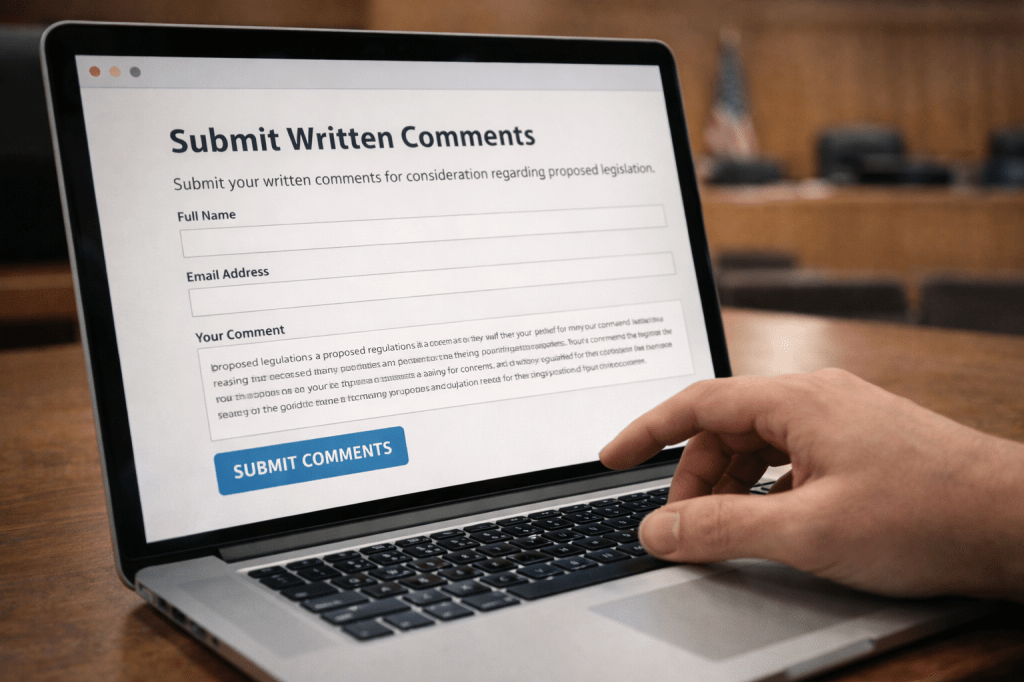
在第八篇中,我們討論了如何在兩分鐘內,把話寫進 official record(正式會議紀錄)。
那解決的是「進入紀錄」的問題。
但制度真正運作的場景,並不在發言結束的那一刻。
真正決定下一輪討論方向的,往往發生在會議之後——那時,會議室已經空了。
會議結束之後,真正開始的是什麼?
在美國地方政府或州議會體系中,一場聽證會結束後,工作人員會起草一份 briefing memo(內部簡報)。
這份簡報通常包括:Issue Summary(議題摘要)、Background(背景說明)、Fiscal Impact(財務影響)、Public Comment Summary(公眾意見摘要)、Recommended Action(建議行動)。
委員在下一輪會議前真正閱讀的,往往是這份 3–6 頁的 briefing memo,而不是完整會議錄影。
制度流轉的核心載體,是文件。
Public Comment Summary 是如何被寫出來的?
在 briefing memo 裡,公眾意見通常不會逐條復述,而是被壓縮為幾種總結性表達。
“Several speakers expressed concern regarding enforcement costs.”
(多位發言人表達了對執法成本的疑慮。)
“Multiple commenters opposed the ordinance on general grounds.”
(多位民眾在原則層面表示反對。)
這種表述意味著發言被歸入 general concern(一般性疑慮)或 general opposition(原則性反對)。
但如果是一份結構清晰的書面意見,它更可能被這樣寫進簡報:
情緒式表達:
“One written submission cited Section 4.2 and requested a fiscal impact analysis.”
(有一份書面意見引用第 4.2 條,並要求進行財務影響分析。)
這裡的差異,在於是否指向「可修改點」。
委員真正會標記什麼?
在實際運作中,委員在簡報上常會寫下類似的批註:
“Need fiscal clarification.”
(需要財務說明。)
“Legal review?”
(是否需要法律審查?)
“Consider amendment.”
(是否考慮修正條文。)
這些批註幾乎只會出現在具體、結構化的意見旁邊。
情緒性的表達,很少觸發 “Consider amendment”。
制度的篩選,並不是立場篩選。
而是結構篩選。
一個真實語境的模擬場景
假設某條例涉及停車罰款上調。
「罰款太高,居民負擔不起。」
在簡報中可能被寫成:
“Several residents expressed concern about affordability.”
(多位居民表達了對可負擔性的疑慮。)
結構式書面意見:
“Section 3 increases fines by 40%. According to County Revenue Report 2023, prior increases did not reduce violations but raised administrative appeal rates by 22%. Recommend phased implementation.”
在簡報中更可能被整理為:
“Written submission cited revenue report and recommended phased implementation; staff to evaluate.”
(書面意見引用財務報告並建議分階段實施;建議由工作人員進一步評估。)
“Staff to evaluate” 這四個字,意味著議題進入下一輪技術討論。
這就是制度路徑的差別。
什麼時候書面 > 口頭?
✔ 當議題處於早期階段
✔ 當問題涉及技術細節
✔ 當你希望原句被完整保留
✔ 當你無法到場
制度並不只聽「在場的人」。
它處理「進入系統的文本」。
錯誤版 vs 優化版(保留制度原貌)
❌ 情緒式書面意見:
I oppose this policy. It is unfair and harmful to our community. Please reconsider.
在內部整理中,很可能被壓縮為:
“Several written comments opposed the proposal.”
(有若干書面意見表示反對。)
✅ 結構式書面意見:
Subject: Written Comment on Agenda Item 7 – Ordinance 2024-18
I am a resident of ZIP code 89113. Section 4.2 of the proposed ordinance would affect approximately 280 households in our community.
According to Clark County budget data (FY2023), similar enforcement measures increased administrative costs by 18%. The current draft does not include a fiscal impact statement.
I respectfully request that the committee delay the vote and require a formal fiscal analysis prior to final consideration.
在內部簡報中,更可能被標註為:
“Fiscal impact concern raised regarding Section 4.2; recommendation for cost analysis requested.”
(針對第 4.2 條提出財務影響疑問,並建議補充成本分析。)
這不是修辭差異。
是制度重量的差異。
標準書面意見範本(制度語境)
Subject: Written Comment – Agenda Item #__
Dear Chair and Members of the Committee,
My name is ______, and I am a resident / business owner / stakeholder in ______.
I am writing regarding Agenda Item #__, specifically Section ___ of the proposed bill / ordinance.
Under the current draft, ______ may result in ______.
Based on publicly available data from ______, similar policies have led to ______.
For these reasons, I respectfully request that the Committee:
1. ______
2. ______
Thank you for your consideration.
Sincerely,
Name
City / ZIP Code
為什麼「沒發言」反而更有力量?
因為制度的節奏,並不圍繞現場情緒。
會議會結束。
聲音會消散。
但文件會進入系統。
當工作人員準備下一輪 briefing memo 時,他們翻閱的是文本。
書面意見的真正優勢,在於它能夠進入下一輪。
👉 能力目標:掌握「低成本、高影響」的制度工具。
第 10 篇預告|什麼時候該找媒體,什麼時候千萬別
媒體是工具,而不是出口。
什麼時候放大議題是策略,什麼時候反而會打亂制度節奏?
👉 能力目標:避免「用錯力氣」。
文 | 語間
Discover more from 华人语界|Chinese Voices
Subscribe to get the latest posts sent to your email.
