— Public Utilities, Price Regulation, and the Structure Behind Your Power Bill [Institutions in Everyday Life] (1)
Institutions in Everyday Life
Many everyday situations appear natural, yet they are often shaped by underlying institutions.
This column explores how those systems are formed and how they quietly influence our daily lives.
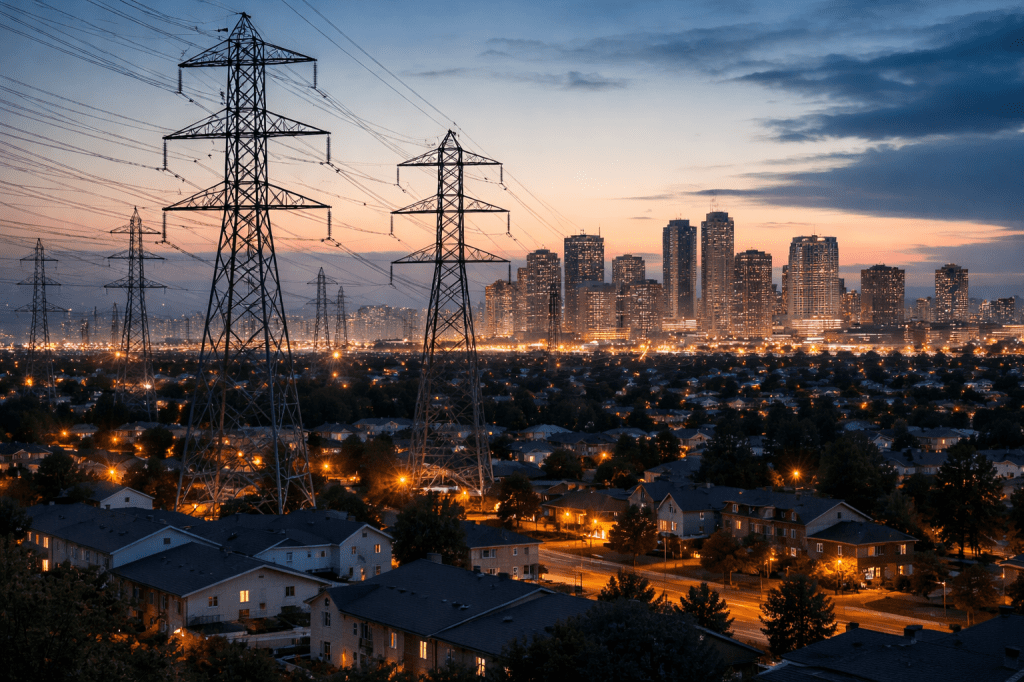
Many people only start paying close attention to their electricity bill when it suddenly rises one month.
Opening the bill, they often discover something puzzling: the cost is not simply “electricity used × price per kilowatt-hour.” Instead, the bill usually includes a range of different items—basic service charges, time‑of‑use rates, system fees, renewable energy charges, and more.
Naturally, a simple question arises:
Why is the structure of electricity pricing so complicated?
At first glance, this may seem like a matter of billing design. But looking a little deeper reveals that electricity pricing is actually the result of a broader institutional system. It reflects how utilities operate, how governments regulate essential services, and how an entire energy infrastructure is organized.
Electricity Is a Very Unusual Commodity
Unlike many products, electricity is extremely difficult to store at a large scale.
When households turn on air conditioners, cook on electric stoves, or charge electric vehicles, the power system must deliver electricity at that exact moment. This means that utilities must not only meet everyday demand, but also prepare for the busiest periods of the day.
For example, during summer evenings—when many homes run air conditioning simultaneously—citywide electricity demand can surge rapidly. These peak periods may only last a few hours, but the power grid must still maintain enough generating capacity to handle them.
As a result, electricity bills do not simply reflect average consumption. They also reflect the cost of maintaining infrastructure capable of meeting peak demand.
This is why electricity pricing structures often include multiple components, such as:
• Basic service charges
• Time‑of‑use pricing (peak and off‑peak rates)
• Usage‑based charges
These mechanisms are designed to align electricity prices more closely with the real cost of operating the power system.
Why Governments Regulate Electricity Prices
In many industries, prices are determined primarily by market competition. Electricity, however, rarely operates in a fully competitive market.
Building and maintaining power grids is extremely expensive, and most regions are served by only one major utility provider. Economists refer to this situation as a “natural monopoly.”
To prevent monopoly pricing, most U.S. states have regulatory commissions that review and approve electricity rates. When utilities seek to raise prices, they typically must submit formal applications and undergo public review and hearings.
The logic behind this system is straightforward:
Utilities need sufficient revenue to maintain infrastructure and invest in future capacity, while residents need protection from excessive pricing by monopoly providers.
Electricity rates, therefore, are often the outcome of a balancing process between regulatory oversight and utility operations.
A Real Example from Las Vegas
In the Las Vegas region, most households receive electricity from NV Energy, the primary utility serving Nevada.
Looking closely at a typical bill, residents will often notice several different components, such as:
• Basic service charges
• Fuel and energy adjustment charges
• Transmission and system maintenance fees
• Renewable energy‑related charges
In recent years, new pricing mechanisms have also become a topic of public discussion. Some rate plans include more visible time‑of‑use pricing or even demand charges, which reflect the highest level of electricity consumption during peak periods. (Refer to NV Energy’s “Daily Demand Charge” Is More Than a Billing Change.)
From the perspective of the power system, these pricing structures are intended to reflect the stress placed on the grid during high‑demand hours. When many households use large amounts of electricity simultaneously, additional infrastructure and capacity are required to maintain stability.
For residents, however, these structures can appear complicated and sometimes difficult to interpret, which often leads to broader debates about fairness and transparency in electricity pricing.
Why Electricity Pricing Is Becoming More Complex
Over the past few decades, the electricity system has undergone significant changes.
In the past, most electricity was generated by large centralized power plants—often fueled by coal or natural gas. Generation costs were relatively stable, and pricing structures were correspondingly simpler.
Today, however, several trends are reshaping the energy landscape:
• The growth of renewable energy such as solar and wind
• Increasing electricity demand from electric vehicles
• Continued urban population growth
• Rising costs of maintaining and upgrading grid infrastructure
To adapt to these changes, utilities have introduced new pricing mechanisms. Time‑of‑use pricing encourages consumers to shift electricity usage away from peak hours, while certain fees help finance infrastructure upgrades and grid reliability.
These systems are designed to maintain stability and efficiency across the power network.
Electric Bills Reflect a Larger Social System
Viewed in isolation, an electricity bill may appear to be a technical document. But from an institutional perspective, it reflects a much larger system of governance and infrastructure.
Electricity pricing connects to:
• Energy policy
• Urban development
• Infrastructure investment
• Environmental policy
These institutional arrangements not only shape electricity bills, but also influence everyday behavior. For example, when time‑of‑use pricing is introduced, some households choose to charge electric vehicles overnight or run large appliances during off‑peak hours.
Small changes in behavior like these can help maintain stability across the entire power grid.
Understanding Institutions Behind Everyday Life
For many people, electricity bills are simply another monthly expense. But understanding the institutional structure behind those bills reveals something broader: how a society organizes one of its most essential systems.
Institutions often remain invisible in everyday life, yet they quietly shape the environment in which we live.
Electricity pricing is just one example. In the upcoming articles of the “Institutions in Everyday Life” series, we will explore other familiar situations—moments where everyday experiences are shaped by deeper institutional design.
Understanding these systems does not necessarily mean we must change them. But it can help us better understand the social structures that shape our daily lives.
By Voice in Between
Discover more from 华人语界|Chinese Voices
Subscribe to get the latest posts sent to your email.
