— How District Boundaries Shape the Political Influence of Chinese American Communities
In the previous article, we explored a key question:
Why does Chinese American voting matter more than people might expect in Nevada? (Click the link to read.)
But that is only part of the story.
In Nevada, election outcomes are shaped not only by who votes, but also by something just as important:
Where you live.
In many elections, not all communities carry the same political weight. Some areas may have large populations but limited electoral influence, while other communities — even with smaller populations — can become decisive battlegrounds.
This is not accidental. It reflects a fundamental feature of the American electoral system:
District boundaries.
Understanding Nevada’s district structure is, in many ways, understanding a real-world map of political power.
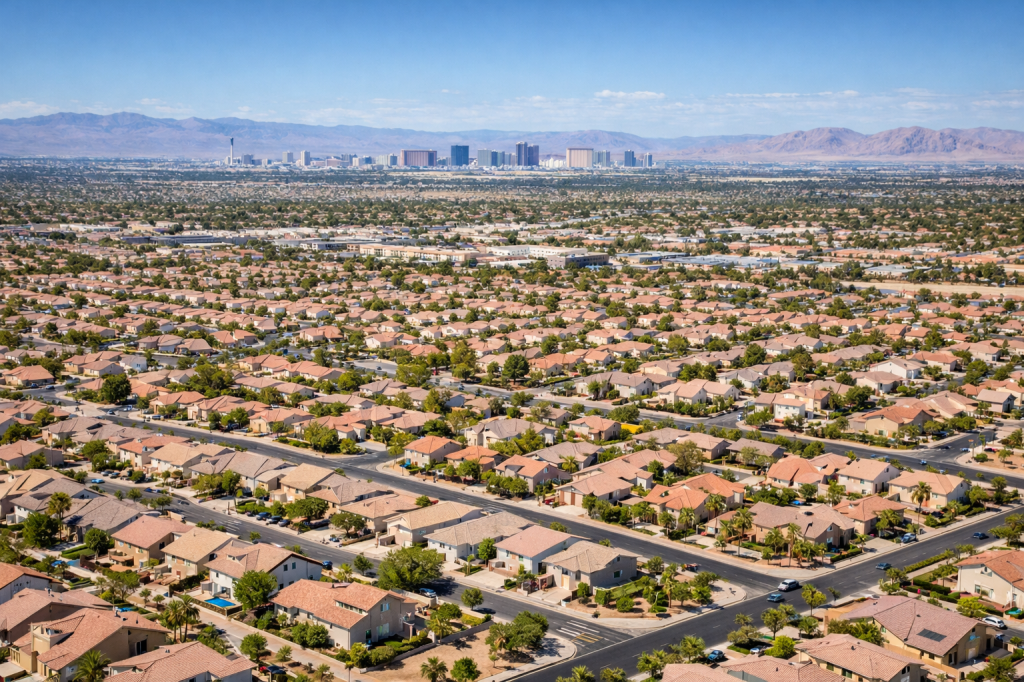
Elections Are Not Just About Numbers — They Are About Districts
It is common to think that elections are simply about who has more people.
But in the United States, that is not entirely how elections work.
Elections are not conducted as a single statewide vote for most offices. Instead, they are organized by districts, such as:
- Congressional districts
- State Senate districts
- State Assembly districts
- County Commission districts
Each district elects different officials, and those officials influence different aspects of public policy.
This means:
Population distribution often matters more than total population.
If a community is concentrated in a competitive district, it may wield significant political influence even if its overall population share is small.
Conversely, if a community is dispersed across many districts, its total population may be large, but its political impact may be diluted.
This is why where you live can shape your political influence.
Four Key Types of Districts in Nevada
In Nevada, the districts that shape everyday life generally fall into four categories.
1. Congressional Districts
Congressional districts determine representation in the U.S. House of Representatives.
For example:
- Congressional District 1
- Congressional District 3
- Congressional District 4
These districts are often associated with national politics. While important, their impact on daily local life is usually indirect.
2. State Senate and State Assembly Districts
These districts determine representation in Nevada’s state legislature, which influences policies such as:
- Taxes
- Healthcare
- Education laws
- Business regulations
These policies begin to affect daily life more directly — but they still operate at a broader level.
3. County Commission Districts
For residents of the Las Vegas area, County Commission districts are often among the most directly impactful levels of government.
County commissions typically make decisions about:
- Land use
- Development approvals
- Community planning
- Public resource allocation
- Transportation and infrastructure
These decisions shape the direction of local communities.
For example:
- Whether a new commercial center is approved
- Whether apartment developments move forward
- Whether transportation improvements are funded
These decisions often fall under the authority of the county commission.
This is why Clark County Commission elections are particularly important in Southern Nevada.
Why Clark County Often Decides Nevada Politics
To understand Nevada politics, one must first understand a simple reality:
Clark County largely determines Nevada’s political outcomes.
The reason is straightforward:
Nevada’s population is heavily concentrated in Clark County — and Clark County is centered around the Las Vegas metropolitan area.
This means:
- Las Vegas has the largest population
- Las Vegas has the most votes
- Las Vegas has the greatest influence
By contrast:
- Northern Nevada has fewer voters
- Rural areas are more sparsely populated
As a result, many statewide elections are ultimately decided by voting patterns in Clark County.
This is why demographic changes in Las Vegas can influence the political direction of the entire state.
Where Chinese American Communities Are Concentrated
In recent years, Chinese American and broader Asian American populations in Las Vegas have become increasingly concentrated in several key areas.
Spring Valley / Chinatown (Spring Mountain Corridor)
This is one of the most concentrated areas of Chinese American communities.
Key characteristics include:
- Dense Chinese-owned businesses
- Significant Chinese American residential presence
- High population mobility
These factors create substantial potential political influence.
At the same time, turnout in this area still has room to grow.
This means:
If voter participation increases, political influence could rise quickly.
Summerlin
Summerlin has different characteristics:
- Higher household incomes
- Higher educational attainment
- Higher voter turnout
As Asian American and Chinese American populations grow in Summerlin, the area’s political influence may increase further.
In close elections, even a few hundred additional votes from a single community can shape outcomes.
Henderson / Green Valley
This is another area experiencing rapid demographic growth.
Key characteristics:
- Increasing number of new residents
- Growing number of young families
- Rising Asian American population
As demographic changes continue, this area may become an increasingly important electoral region.
A Changing “Power Map”
Historically, Chinese American political influence in Nevada has been limited.
But that is beginning to change.
Several factors contribute to this shift:
- Population growth
- Greater geographic concentration
- Continued migration from other states
At the same time, Nevada remains a swing state.
This means:
Small demographic changes can produce outsized political effects.
As Chinese American communities become more concentrated in key districts — and as turnout increases — political influence naturally follows.
This is not an idealistic vision. It is simply how the electoral system functions.
In Nevada, political influence is shaped not only by who you are, but also by where you live.
This “power map” is not fixed.
As populations shift, so does political influence.
And Chinese American communities are gradually moving into more consequential positions on that map.
In a swing state, elections are not always decided by the largest groups — but often by those located in key districts and willing to participate.
Understanding district boundaries, then, is not just about maps.
It is about understanding how a community moves from demographic presence to political influence.
By Voice in Between
Discover more from 华人语界|Chinese Voices
Subscribe to get the latest posts sent to your email.
