— When the Cost of Living Becomes the Central Issue for Nevada Voters (Part 2)
As the 2026 midterm elections draw closer, changes in the U.S. economy are becoming an increasingly important backdrop for voters. Among these developments, one trend stands out: growing signs of an economic slowdown.
Over the past several months, subtle but meaningful shifts have emerged. Job growth has moderated, consumer spending has become more cautious, and business investment appears to be softening. At the same time, rising oil prices and geopolitical uncertainty are adding further pressure to the economic outlook.
These changes are unfolding nationwide. But for Nevada, they may have a more immediate and direct impact.
The reason lies in Nevada’s economic structure, which differs from many other states.
A Tourism-Based Economy and Greater Sensitivity to Economic Cycles
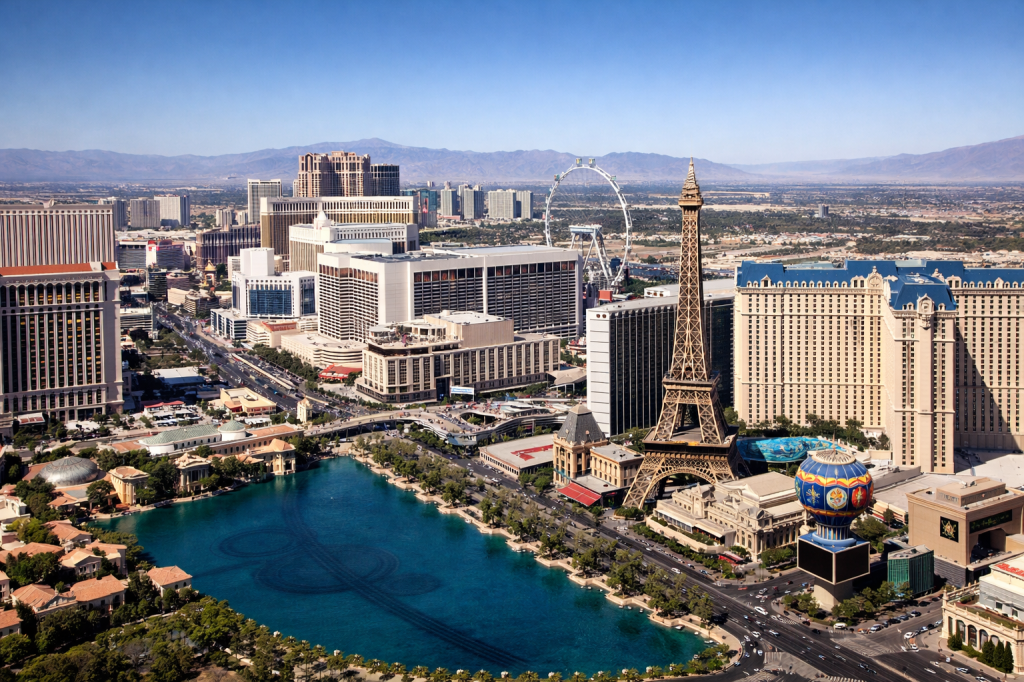
Unlike states with large manufacturing or technology sectors, Nevada’s economy relies heavily on tourism and services. In particular, Las Vegas is built around travel, entertainment, conventions, and gaming.
This economic structure offers clear advantages during periods of growth. When the economy expands and consumer confidence rises, tourism and entertainment spending often increase quickly, driving employment and income growth.
But during an economic slowdown, this same structure can create greater vulnerability.
When consumers begin cutting back, discretionary spending—such as travel, entertainment, and leisure—is often reduced first. These are precisely the industries that form the foundation of Las Vegas’s economy.
In other words, when the national economy slows, Las Vegas often feels the impact earlier.
Historical Experience: Nevada Often Feels the Impact First
History supports this pattern.
During the 2008 financial crisis, Nevada’s unemployment rate rose to one of the highest in the nation. The housing market collapsed, construction slowed sharply, and service-sector employment weakened. The state’s economic recovery also took longer than in many other regions.
In 2020, the COVID-19 pandemic again hit Nevada particularly hard. Tourism came to a near standstill, hotels and entertainment venues shut down, and the labor market experienced dramatic changes within a short period.
These experiences illustrate that while Nevada’s economy tends to move in sync with national trends, its swings are often more pronounced.
As a result, when signs of a national slowdown begin to appear, Nevada voters often pay closer attention.
Early Signs: The Effects of Slower Growth Are Emerging
In recent months, discussions about a potential slowdown have become more common. Hiring in some sectors has become more cautious, consumer spending appears more restrained, and business investment has turned more conservative.
For Nevada, these shifts are likely to appear first in tourism and consumer-driven industries.
If visitor growth slows, revenue growth for hotels and entertainment businesses may weaken. Employment in service industries may also shift, directly affecting household income and economic stability.
At the same time, the cost of living remains elevated. Rising rents, insurance premiums, utility costs, and everyday expenses have made many households more sensitive to economic changes.
In this environment, even a modest slowdown can have a noticeable effect on household finances.
Economic Concerns and the 2026 Election
As voters begin to feel economic changes, election priorities often shift as well.
Employment, income, and affordability typically become central concerns. Candidates may respond by emphasizing job creation, cost-of-living relief, or economic growth strategies.
For this reason, an economic slowdown is not only a macroeconomic issue—it may also become a defining backdrop for Nevada’s 2026 midterm elections.
As the primaries approach, economic debates are likely to intensify. Competing proposals on jobs and economic growth may increasingly shape how voters evaluate candidates.
The Double Pressure of Slower Growth and Rising Costs
In the previous article, we discussed how the cost of living is emerging as a central issue for voters. An economic slowdown could further intensify that pressure.
When income growth slows while living costs continue to rise, household financial stress becomes more pronounced. This double pressure may become an important theme in the 2026 elections.
For Nevada voters, this dynamic is particularly significant.
In an economy heavily dependent on tourism and discretionary spending, economic cycles tend to translate more quickly—and more directly—into everyday life.
As the 2026 midterm elections approach, economic concerns are likely to gain importance. And in Nevada, the effects of slower growth may be more pronounced than the national average.
In the next article, we will continue examining cost-of-living pressures by exploring another emerging issue:
Rising oil prices—and what they may mean for Nevada’s economy and everyday life.
By Voice in Between
Discover more from 华人语界|Chinese Voices
Subscribe to get the latest posts sent to your email.
