A Shift in the Agenda Ahead of the 2026 Midterm Elections
— Cost of Living as a Defining Issue for Nevada Voters (Series Finale)
As the 2026 midterm elections approach, the focus of American political debate is quietly beginning to shift.
Over the past year, the cost of living has dominated political discussions. From housing prices to healthcare expenses, from rising gas prices to increasing insurance costs, these issues directly affect voters’ daily lives and naturally become key measures of government performance.
Recently, however, a noticeable turning point has emerged. Escalating foreign conflicts and expanding constitutional debates are gradually redirecting political attention away from bread-and-butter economic concerns and toward foreign policy and institutional issues. This shift could reshape the broader landscape of the 2026 midterm elections.
In other words, the 2026 elections may no longer be solely a referendum on the cost of living, but increasingly a political contest over foreign policy, national security, and institutional priorities.
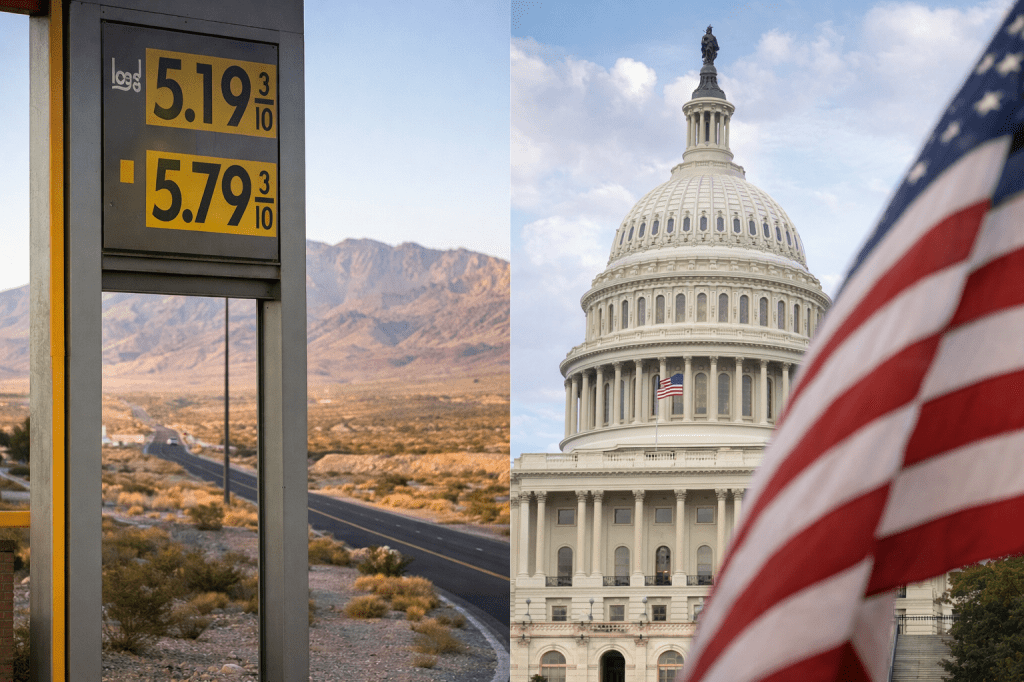
From Cost of Living to Foreign Conflict
The cost of living becomes an electoral focal point precisely because it is concrete and immediate. Rising rents, fluctuating gas prices, and increasing healthcare costs affect voters every day, making political accountability visible and tangible.
Foreign policy and military issues, however, operate differently. When international tensions escalate, political discussions tend to shift toward national security, global strategy, and leadership. These topics are more abstract and harder to connect directly to everyday life.
As a result, when foreign policy rises to prominence, the rhythm of political debate often changes. Voter attention is redistributed, and the structure of electoral issues shifts accordingly.
This phenomenon is not new in American politics. Historically, major international conflicts have repeatedly reshaped electoral priorities, temporarily pushing economic concerns into the background. The current political environment appears to be moving in a similar direction.
Democrats and the Challenge of Foreign Policy Divisions
Another consequence of rising foreign policy debates is the growing division within the Democratic Party.
In recent years, differences within the party have become increasingly visible. From debates over the Israel–Gaza conflict to support for Ukraine, and from policy toward China to broader questions of military engagement, internal disagreements have grown more pronounced.
These divisions are not merely policy disagreements—they reflect deeper differences in values and priorities. Progressive voices often emphasize human rights and anti-war principles, arguing that foreign policy should prioritize humanitarian concerns and international law. More moderate voices tend to stress alliances and national security, arguing that the United States must maintain its global strategic role.
Such divisions make it more difficult for Democrats to present a unified political message. They also consume political energy. When foreign policy dominates the agenda, attention is split between internal debate and external response, making it harder to focus on domestic priorities.
Meanwhile, the cost-of-living concerns that matter most to voters risk being pushed to the margins. This “misalignment of focus” could weaken Democrats’ advantage on economic issues and increase uncertainty heading into the 2026 midterms.
From Foreign Policy to Constitutional Debate
Beyond foreign policy, constitutional and legal issues are also gaining prominence.
Debates over birthright citizenship, for example, shift political discussion toward constitutional interpretation and institutional design. These issues are inherently abstract and technical, making them less likely to generate immediate voter pressure compared with economic concerns.
As political debate moves into these areas, public discussion often shifts away from everyday life and toward institutional and legal frameworks. This does not mean cost-of-living issues disappear—rather, voter attention becomes divided.
In electoral politics, this redistribution of attention can have significant consequences.
Issue Competition and the 2026 Elections
Elections are not only contests of policy but also contests of agenda. Political parties typically emphasize issues that benefit them while downplaying those that do not. This form of issue competition is a common feature of democratic politics.
If current trends continue, several developments may shape the 2026 midterm elections.
First, the electoral agenda may become more fragmented. Cost of living, foreign policy, immigration, and constitutional debates may all compete for attention.
Second, the dominance of cost-of-living issues may be challenged. The rise of foreign policy and constitutional debates could alter the overall political rhythm.
Third, voter sentiment may shift. Foreign conflicts often introduce uncertainty and security concerns, which can influence voter behavior.
A Closing Observation: The Beginning of Agenda Competition
Looking back at this series—from economic slowdown to rising gas prices, from housing pressure to healthcare costs, and finally to changes in labor structure—the cost of living has remained the central theme shaping the 2026 political landscape.
Yet this concluding article highlights another equally important trend: the agenda itself is shifting.
As foreign policy debates intensify, as internal party divisions deepen, and as political discussion moves further from everyday life, the competition over issues ahead of the 2026 midterms has already begun.
Ultimately, the 2026 election may not simply be a referendum on the cost of living. It may also become a broader choice about priorities—between foreign policy, institutional debates, and economic concerns.
And that competition over priorities may well define the political landscape of 2026.
By Voice in Between
Discover more from 华人语界|Chinese Voices
Subscribe to get the latest posts sent to your email.
