— When “Cost of Living” Becomes the Central Issue for Nevada Voters (Part 4)
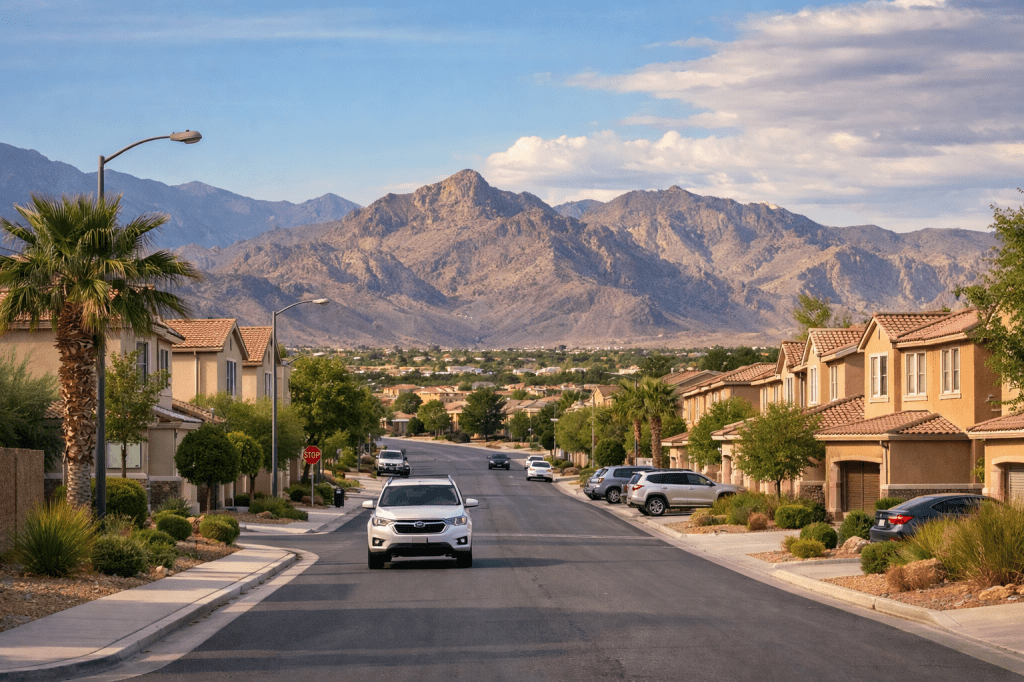
In many places, housing is a long-term social issue that evolves slowly. In Nevada, however, housing pressure tends to escalate more quickly—and just as quickly moves to the center of political debate.
Over the past decade, this pattern has repeated itself: rising home prices, increasing rents, population inflows, and tightening housing supply. Soon after, debates emerge over development, rent levels, land use, and the role of government. Housing ceases to be merely a market trend and instead becomes a political issue—sometimes even influencing voter behavior and election outcomes.
This is not accidental. It reflects Nevada’s unique economic structure and demographic dynamics.
A Housing Market Highly Sensitive to Economic Cycles
Nevada’s housing market has long been more sensitive than those in many other states.
The economies of Las Vegas and Reno rely heavily on tourism, gaming, hospitality, and service industries. While these sectors create significant employment, they also tend to produce income levels and job stability that are more vulnerable to economic cycles.
During economic expansions, employment rises, population grows, and housing demand increases quickly. When growth slows, job instability and stagnant incomes quickly expose housing pressure. As a result, Nevada’s housing market tends to experience more pronounced cyclical swings.
This volatility was especially visible during the 2008 financial crisis. Nevada was among the hardest-hit states in the country, with sharp declines in home values and foreclosure rates that ranked among the highest nationwide. That experience left a lasting impression on voters, making housing issues particularly politically sensitive in Nevada.
As a result, when home prices or rents rise again, residents are more likely to view housing as an issue requiring policy responses—not simply a market development.
Structural Pressure from Population Growth
In recent years, Nevada’s population growth has accelerated again, particularly after the pandemic. Residents from higher-cost states—especially California—have continued moving to Las Vegas and Reno.
For many newcomers, Nevada housing still appears relatively affordable. For long-time residents, however, the situation looks very different. When incomes grow slowly while housing costs rise rapidly, pressure builds quickly.
This population-driven housing pressure often leads to community-level debates. On one hand, population growth signals economic vitality. On the other, rising housing costs raise concerns about affordability and neighborhood change.
Once housing becomes tied to land use, development density, and infrastructure capacity, it shifts from a market issue into a public policy issue. Differences in how communities view growth and development further push housing into the political arena.
A Higher Share of Renters Means Faster Political Impact
Compared with many states, Nevada—particularly the Las Vegas area—has a relatively high proportion of renters. Rental markets also tend to respond more quickly than homeownership markets.
When rents rise, households often feel the impact within months. These changes quickly show up in family budgets, housing choices, and daily life.
Some households may relocate, increase commuting distances, or cut other expenses. These adjustments affect not only individuals but also neighborhood stability and urban development.
Because a larger share of residents rent, changes in housing costs affect more people directly—making housing pressure more likely to become a public and political issue.
Housing and Middle-Class Stability
In American society, housing is not only a major cost of living but also a cornerstone of family stability and wealth building.
When housing costs rise faster than incomes, younger households delay homeownership, family formation shifts, and community stability weakens. These changes do not happen overnight, but over time they reshape social dynamics and voter priorities.
As housing pressure increases, it becomes linked to education, commuting, and public services. Housing thus moves beyond a market concern and becomes a broader issue affecting community stability and economic opportunity.
Where Housing Meets Politics
Housing issues also become political because they intersect with multiple policy areas—land use planning, infrastructure, permitting, and taxation.
Different policy approaches can lead to different outcomes. Expanding housing supply, adjusting zoning density, or investing in infrastructure all influence housing markets. These policy choices are inherently political.
When housing pressure increases, public attention to these decisions grows, and housing naturally moves to the center of political debate.
The Housing Issue in 2026
As 2026 approaches, housing pressure is once again intersecting with economic uncertainty. Slowing job growth, interest rate changes, and population shifts all have the potential to shape housing conditions.
In this context, housing is not just part of the cost-of-living conversation—it may become one of the most important issues for voters. While different groups prioritize different aspects of housing, affordability itself is becoming a shared concern.
Conclusion
Housing becomes a political issue more easily in Nevada not because prices are the highest, but because the housing market is more sensitive, population changes occur more quickly, and housing costs have a more immediate impact on daily life.
As housing pressure increases, it affects household budgets, community stability, and public policy debates. Over time, housing transitions from a market trend into a political issue.
In the 2026 election cycle, housing is likely to remain one of the most important factors shaping Nevada voters’ concerns. And when cost of living becomes the central issue, housing often becomes the most immediate—and most influential—part of that conversation.
By Voice in Between
Discover more from 华人语界|Chinese Voices
Subscribe to get the latest posts sent to your email.
