— Understanding the Difference Between Inflation and the Cost of Living
In recent years, one of the most frequently used economic terms in the United States has been inflation.
From the peak of more than 9 percent during the pandemic to its gradual decline, Americans have seen constant headlines about the Consumer Price Index (CPI) and Federal Reserve interest rates. According to these figures, inflation has eased significantly. Yet many families continue to feel that their monthly bills have not become any lighter, and everyday life still feels more expensive.
This disconnect is more than just a personal impression. It reflects an important distinction that is often overlooked: inflation and the cost of living are related, but they are not the same thing.
Lower Inflation Does Not Mean Prices Have Returned to Where They Were
When people first hear that inflation is falling, it is natural to assume that prices must be coming down.
In economics, however, inflation measures the rate at which prices are increasing, not the price level itself. If the price of a product rose by 10 percent last year but only 2 percent this year, economists would say inflation has declined. From a consumer’s perspective, however, that product is still more expensive than it was a year ago—it is simply becoming more expensive at a slower pace.
This is why lower inflation does not mean prices have returned to pre-pandemic levels. In most cases, once prices have increased, they remain at that higher level unless there is an actual period of falling prices, known as deflation.
Every Household Lives with a Different “Price List”
There is another reason why people’s experiences often differ from the headlines.
The Consumer Price Index is a statistical measure based on the average spending patterns of American households. It is designed to show overall price trends across the economy, but no single household spends money in exactly the same way as the national average.
A recent college graduate may spend most of their income on rent and transportation. A family with young children faces childcare, education, and healthcare expenses. Retirees may pay closer attention to prescription drugs and health insurance premiums. Pet owners may notice the rising costs of veterinary care and medications.
As a result, two households living in the same economy can experience the cost of living very differently. What matters most is not the national average, but the expenses that each family must pay on a regular basis.
Why Do Some Expenses Feel More Burdensome Than Others?
Most people have experienced something like this.
A television may last eight years before it needs to be replaced. A smartphone might be upgraded every three or four years. Furniture can remain in use for well over a decade. Even if the prices of these products change, they usually have only a limited effect on a family’s monthly budget.
The expenses that create the greatest sense of financial pressure are often very different.
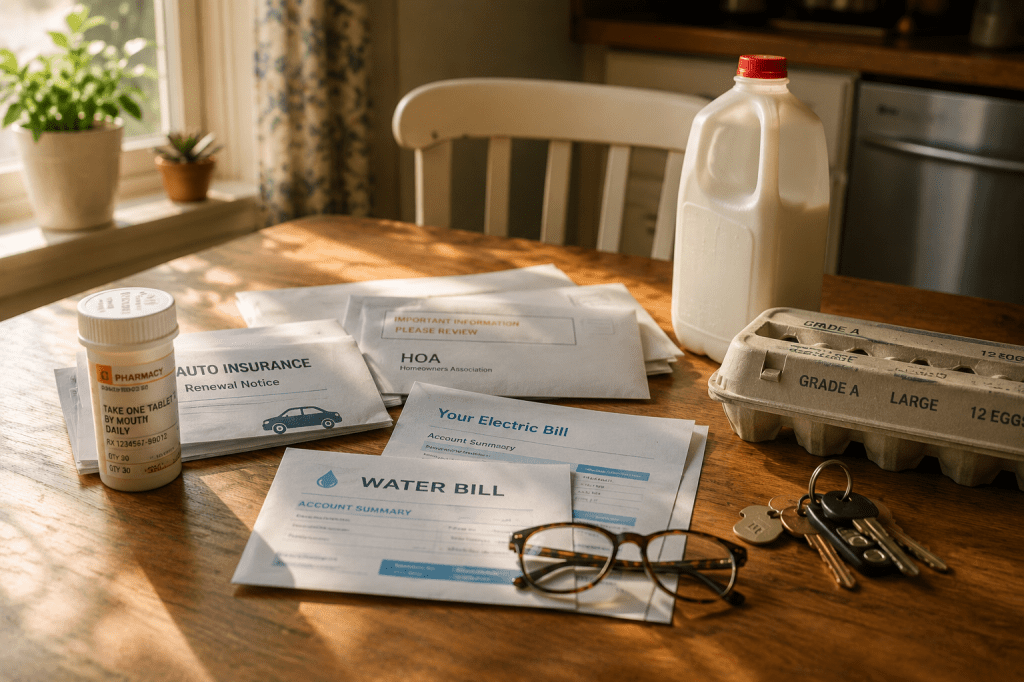
Mortgage or rent must be paid every month. Auto and health insurance policies must be renewed regularly. Prescription medications for chronic conditions cannot simply be discontinued because prices have increased. Families with children continue to pay for childcare and education, while pet owners still need veterinary care when their animals become ill.
Although these expenses belong to different parts of daily life, they share one important characteristic: they are difficult to avoid. Because they recur month after month and year after year, even modest price increases can gradually reshape a household’s budget.
For many families, the feeling that life has become more expensive does not come from a single dramatic purchase. It comes from the steady rise of these recurring expenses.
Small Everyday Expenses Can Also Change a Household Budget
Housing and healthcare are not the only costs that deserve attention.
Many households have noticed that a number of relatively small, routine expenses have also become more expensive in recent years. A generic prescription drug, a cloud storage subscription, a streaming service, a new pair of glasses, or even a routine veterinary visit may all cost noticeably more than they did only a few years ago.
Individually, none of these increases may seem dramatic enough to make national headlines. Together, however, they gradually change how much families spend simply to maintain the same standard of living.
The financial pressure many people experience today is often not the result of a single major price shock. Instead, it reflects the cumulative effect of many smaller increases that occur quietly over time.
Understanding the Cost of Living Is More Helpful Than Arguing About Inflation
Economic data remain important because they help governments, businesses, and investors understand the broader economy. For individual households, however, another question may be even more practical: How is my own cost of living changing?
Reviewing insurance policies regularly, comparing prices for long-term prescription medications, and reassessing recurring subscription services may have a greater impact on a household budget than following inflation reports alone. Understanding the difference between inflation and the cost of living will not make prices fall overnight, but it can help people interpret economic news more accurately and identify the expenses that matter most in their own daily lives.
Inflation tells us how quickly prices are changing across the economy. The cost of living tells us how much it takes for a particular household to maintain its everyday standard of living. The two concepts are closely related, but they are not the same.
That is why a family may still feel financial pressure even after inflation has fallen. Housing, insurance, healthcare, prescription drugs, and education may continue to become more expensive, even as the overall rate of inflation declines. Understanding this distinction is not about questioning economic data; it is about understanding why economic headlines and everyday experience do not always feel the same.
By Voice in Between
Discover more from 华人语界|Chinese Voices
Subscribe to get the latest posts sent to your email.
